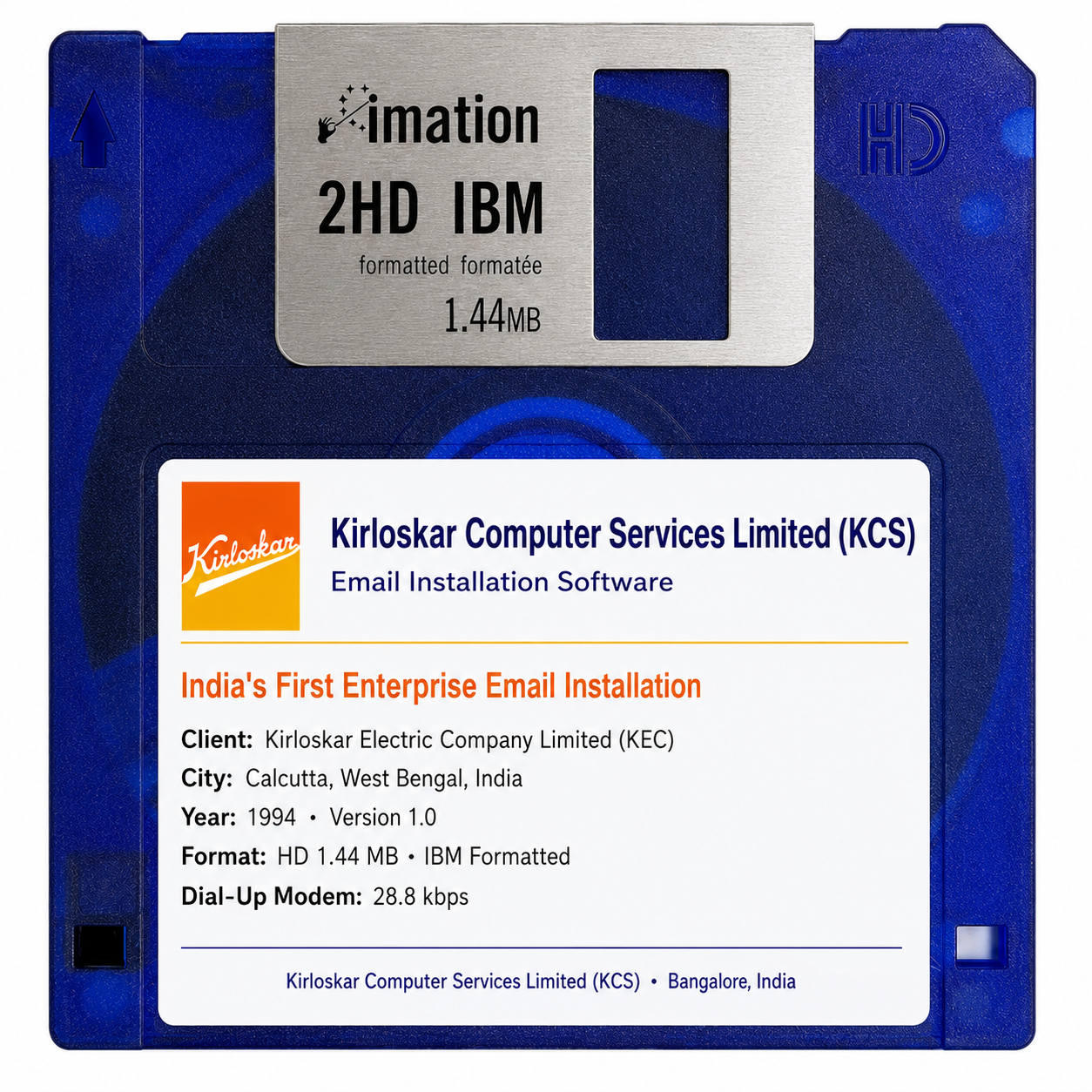
In 1994, when Indian corporate offices still communicated by letters, fax machines, and telex, a young professional from Kirloskar Computer Services Limited (KCS) travelled alone by train from Bangalore to Calcutta, West Bengal, India — carrying modems, cables, and software disks — to deliver what would become one of the earliest enterprise email implementations in India.
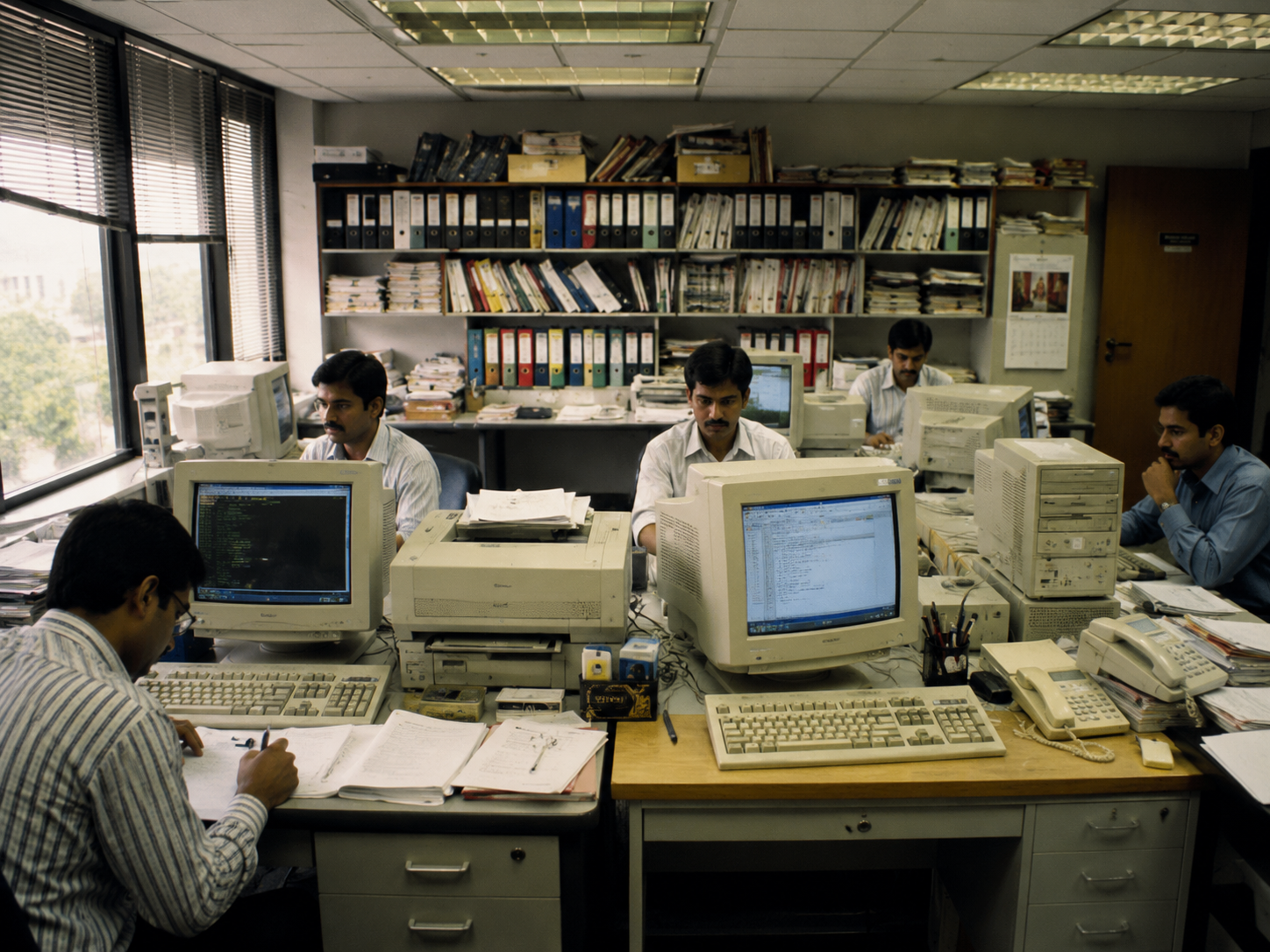
In 1994, India's corporate communication ecosystem was entirely analog. Letters, fax machines, telex systems, and physical dispatches were the backbone of business communication. The idea of employees exchanging messages electronically through computers felt revolutionary — almost impossible.
Email was still virtually unknown in most Indian corporate environments. Only research institutions and universities connected through ERNET (Education and Research Network) had any exposure to electronic mail. For the private sector, it was completely uncharted territory.
The vision of establishing internal electronic mail communication across the Kirloskar Group was ambitious and far ahead of its era. Kirloskar Computer Services Limited (KCS) was entrusted with making that vision a reality.
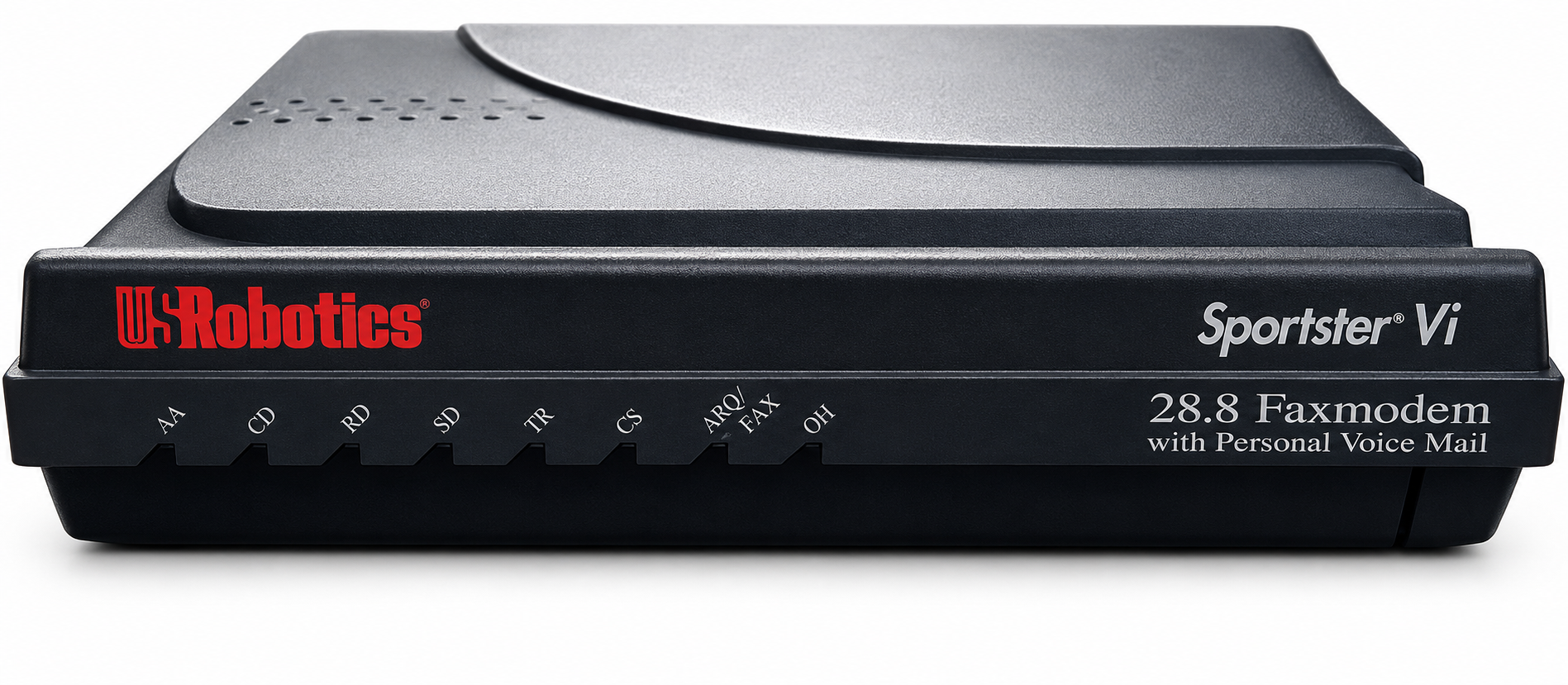
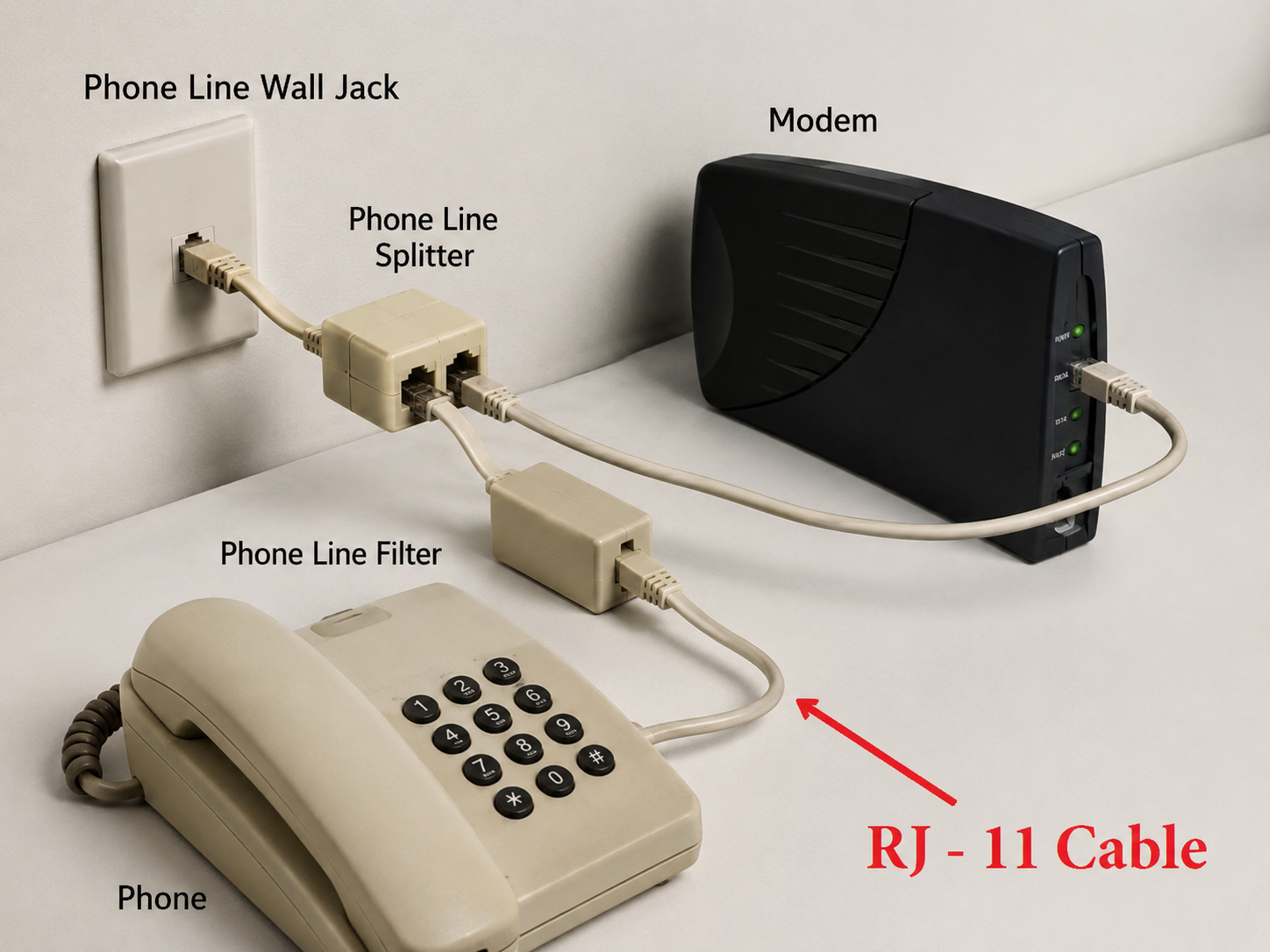
Email in 1994 required a dial-up modem that physically connected a computer to a standard copper telephone line. The modem produced the now-iconic screeching handshake sound — KSHHHH... PING... BING — to establish a connection at up to 28.8 kbps.
Sending and receiving email temporarily tied up the office telephone line — no calls could come in during the session. Text-based protocols POP3 and SMTP were used with email clients like Eudora or Pine. The very same year — 1994 — experimental webmail first appeared at CERN.
A new leadership team had joined Kirloskar Computer Services Limited (KCS) with an ambitious vision — to establish electronic mail communication across the Kirloskar Group. Each person played a critical role in making this national milestone possible.
"Winning a Rs. 20 Lakhs order in 1994 was not just a business achievement — it was a statement of trust, technical credibility, and corporate vision. For Kirloskar Electric Company Limited (KEC) to invest this sum in email technology — when most Indian organizations had never even heard of it — was nothing short of extraordinary."
In 1994, during the very early days of corporate digital communication in India, Dr. E. Senthil Kumaran became part of a pioneering initiative — the implementation of enterprise electronic mail systems at Kirloskar Electric Company Limited (KEC), Calcutta, West Bengal, India. At that time he was working at Kirloskar Computer Services Limited (KCS) in technical support for Autodesk products — AutoCAD, 3D Studio, and related engineering applications.
A new leadership team had joined Kirloskar Computer Services Limited (KCS) under Managing Director Mr. Parth Amin, along with Marketing Manager Mr. Prithvi Bidappa and executives Mr. Rajesh Samai and Mr. Sridhar, who had previously worked with HCL-HP. Mr. Viswanath served as the technical specialist responsible for enterprise email, modem installation, and software deployment.
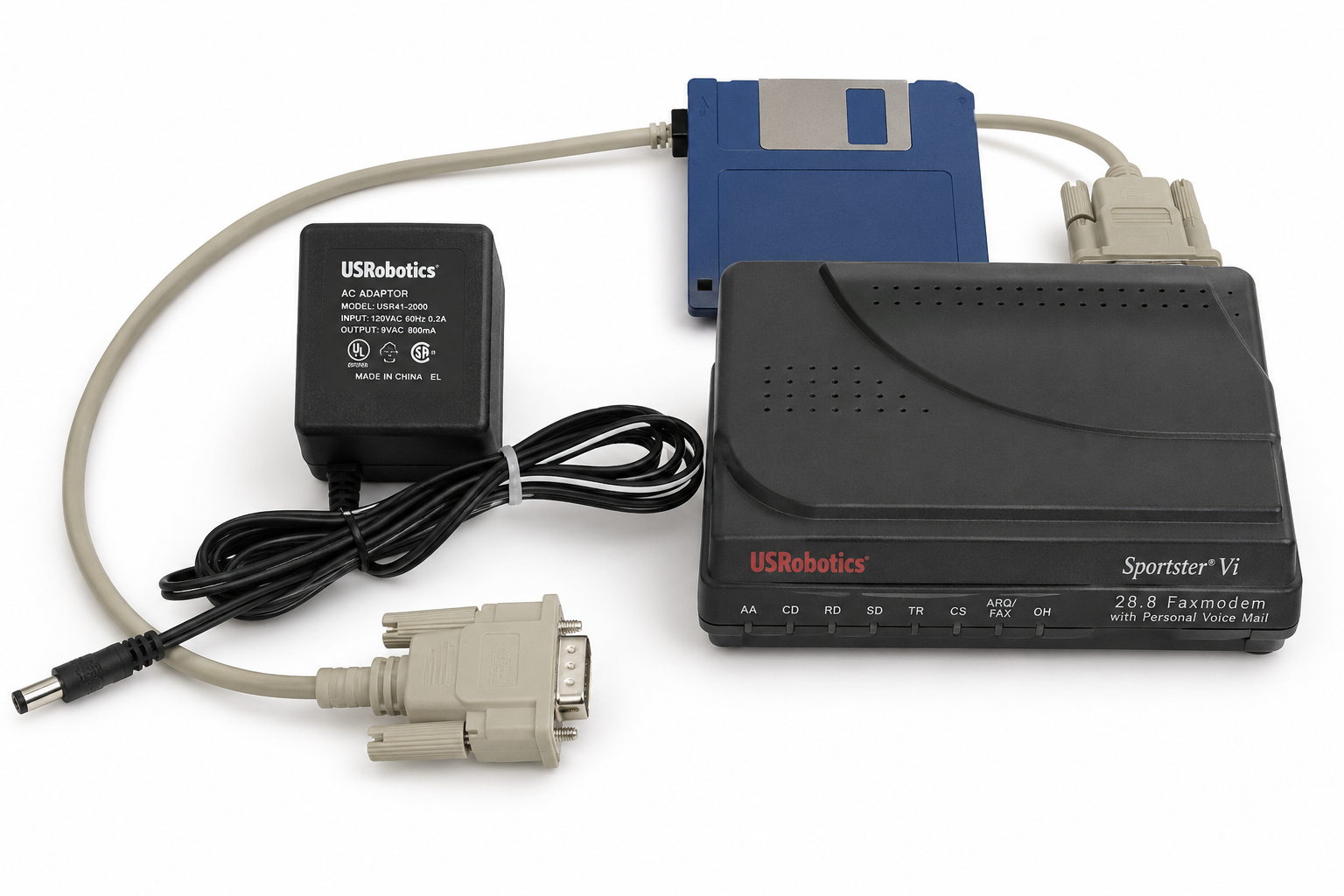
Carrying expensive modems, cables, software disks, installation tools, and networking equipment, Dr. Senthil travelled alone — Bangalore → Chennai → Calcutta by train. The modem equipment was so valuable that he could barely leave his luggage unattended even briefly for meals. Losing those components would have been financially disastrous.
Mr. Viswanath had observed Dr. Senthil's confidence in customer interactions and technical handling during joint visits. When the Calcutta assignment arose, he strongly recommended Dr. Senthil to management — despite Dr. Senthil having never independently performed an enterprise email installation before. That moment of trust became one of the greatest turning points of his career.
The original assignment was planned for only three days. Once the implementation began, the management and employees at Kirloskar Electric Company Limited (KEC) became deeply enthusiastic. Dr. Senthil's stay was extended to twelve days. A staff member was assigned to assist throughout his stay and take him around Calcutta.
Employees who had never previously used electronic mail were learning to send and receive messages digitally for the very first time in their lives. Day after day, they gathered with curiosity and excitement as they witnessed the future of communication unfolding before them.
By the end of the implementation, the successful launch was celebrated within the office itself. The project, valued at nearly Rs. 20 Lakhs, was completed successfully within twelve days and became one of the earliest enterprise-level email implementations in Calcutta and the eastern region of India.
Kirloskar Electric Company Limited (KEC) was a fully independent organization — despite being part of the same Kirloskar Group. They evaluated quotations from multiple vendors across India and awarded the order to the best proposal on merit alone.
Kirloskar Computer Services Limited (KCS) won the competitive tender based on their integrated expertise in IT hardware, software, modem technology, installation capability, and employee training — a combination no other vendor could match at that time in India.
The fact that both companies belonged to the same Kirloskar Group made the achievement more significant, not less — it demonstrated that Kirloskar Computer Services Limited (KCS) could win business on pure technical merit even within a competitive peer evaluation.
"Converting energy to serve the billions." One of India's most respected industrial electrical equipment manufacturers. Their decision to adopt enterprise email in 1994 positioned them as technology pioneers within India's industrial sector.
Kirloskar Electric Company Limited (KEC) evaluated all vendors in the market and chose Kirloskar Computer Services Limited (KCS) based on the best technical and commercial proposal — not group affiliation.
The project was valued at nearly Rs. 20 Lakhs — an enormous sum in 1994 — reflecting the premium nature of cutting-edge enterprise email technology and the scale of the full implementation.
The successful implementation became one of the earliest enterprise-level email installations in Calcutta and the entire eastern region of India — a milestone that preceded widespread corporate email adoption by nearly a decade.
In 1994, software arrived on 3.5" HD 1.44MB IBM-formatted floppy disks. This Kirloskar Computer Services Limited (KCS) branded installation disk carried the email software that connected Kirloskar Electric Company Limited (KEC)'s Calcutta office to the future of communication — one dial-up connection at a time.
This initiative represented far more than a technical deployment. It marked one of the early transitions from analog communication to digital communication within Indian corporate environments — delivered by a young professional who had never performed an enterprise email installation before, trusted on the strength of his character and the confidence of a mentor who believed in him.
Within a short period, Mr. Viswanath personally trained Dr. Senthil on modem installation, dial-up connectivity, cabling, software configuration, troubleshooting procedures, and enterprise email setup. The learning was intense — these technologies were new, expensive, and mission-critical for the organization.
The lesson learned in Calcutta in 1994 — that responsibility sometimes arrives before expertise — became a principle that shaped an entire career spanning over 37 years, 1,000,000+ people trained, and technology deployments across India and the Middle East.